

Description
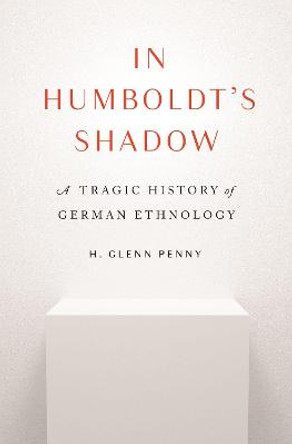
In the late 19th century, Germans spearheaded a worldwide effort to preserve the material traces of humanity, designing major ethnographic museums and building extensive networks of communication and exchange across the globe. In this study, the author explores the appeal of ethnology in Imperial Germany and analyzes the motivations of the scientists who created the ethnographic museums. Penny shows that German ethnologists were not driven by imperialist desires or an interest in legitimating putative biological or racial hierarchies. As antiracists, they aspired to generate theories about the essential nature of human beings through their museums' collections. They gained support in their efforts from boosters who were enticed by participating in this international science and who used it to promote the cosmopolitan characters of their cities and themselves. But these cosmopolitan ideals were eventually overshadowed by the scientists' more modern, professional and materialist concerns which dramatically altered the science and its goals.
About the Author
H. Glenn Penny, assistant professor of history at the University of Missouri-Kansas City, is coeditor of Worldly Provincialism: German Anthropology in the Age of Empire. His dissertation, on which this book is based, won the Fritz Stern Prize of the German Historical Institute.
Book Information
ISBN 9780807854303
Author H. Glenn Penny
Format Paperback
Page Count 304
Imprint The University of North Carolina Press
Publisher The University of North Carolina Press
Weight(grams) 410g
About the Author
H. Glenn Penny, assistant professor of history at the University of Missouri-Kansas City, is coeditor of Worldly Provincialism: German Anthropology in the Age of Empire. His dissertation, on which this book is based, won the Fritz Stern Prize of the German Historical Institute.
Book Information
ISBN 9780807854303
Author H. Glenn Penny
Format Paperback
Page Count 304
Imprint The University of North Carolina Press
Publisher The University of North Carolina Press
Weight(grams) 410g